AUTOMOTIVE
INGENIERÍA
DE SUPERFICIES
LA SUPERFICIE QUE NECESITA SU COMPONENTE
Desde la condición inicial de la pieza hasta la especificación superficial requerida.
ANALIZAMOS · DESARROLLAMOS · VALIDAMOS · INDUSTRIALIZAMOS
WHAT CAN WE ACHIEVE?
We control and optimize the key surface parameters to improve the performance, reliability, and lifespan of the component.
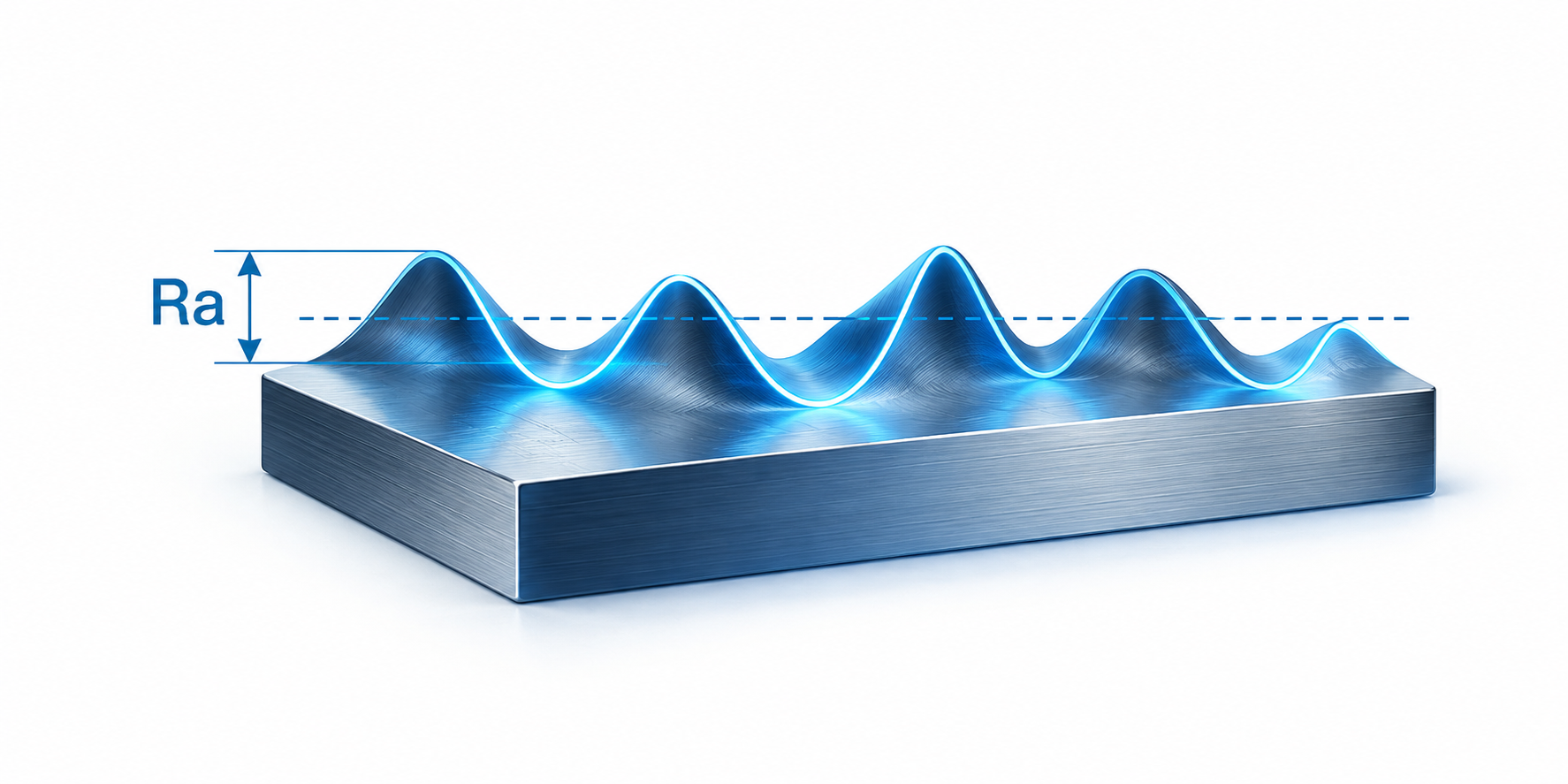
Ra
Average roughness
down to very low values
in suitable applications
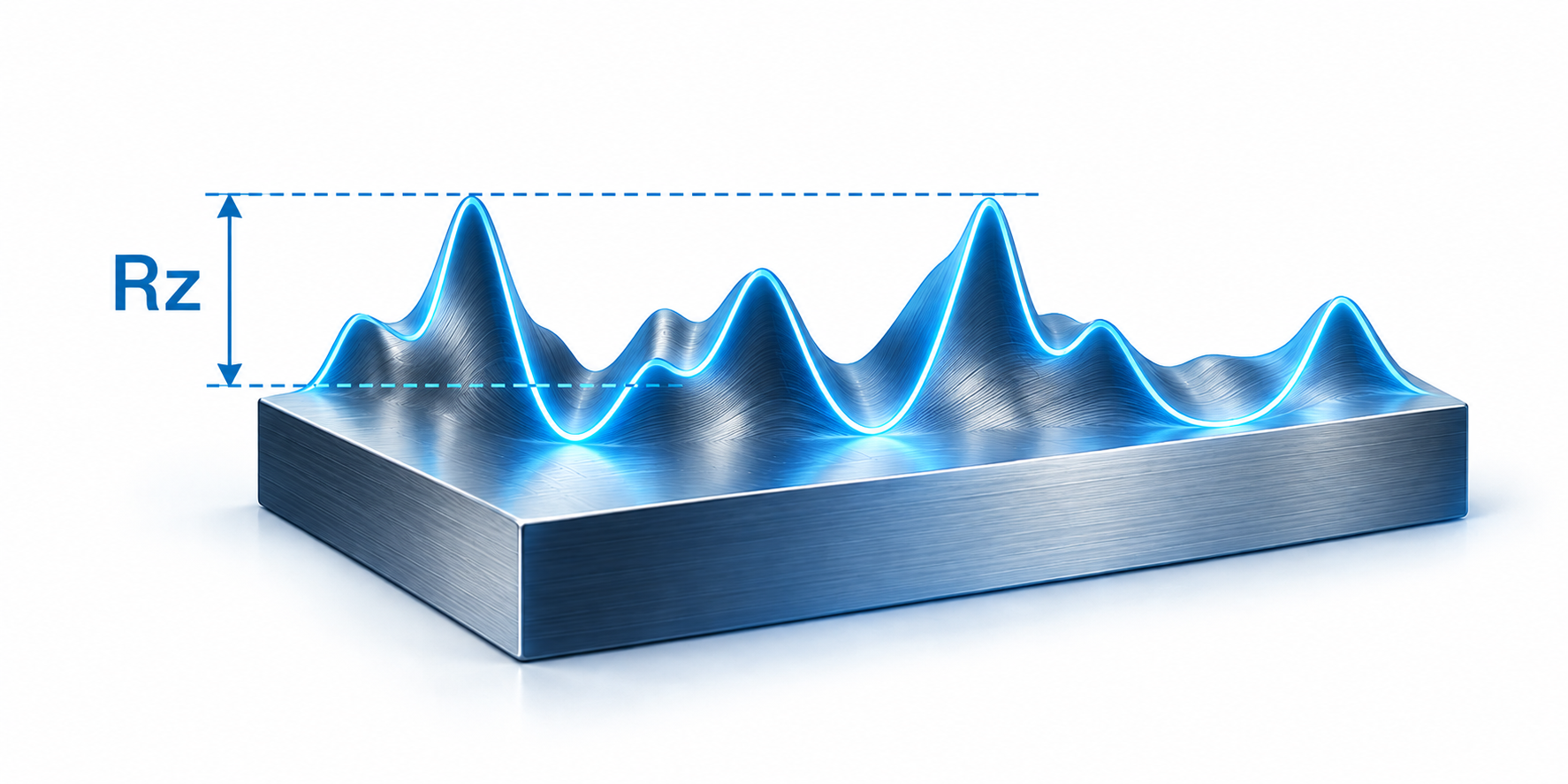
Rz
Maximum height
of the irregularities
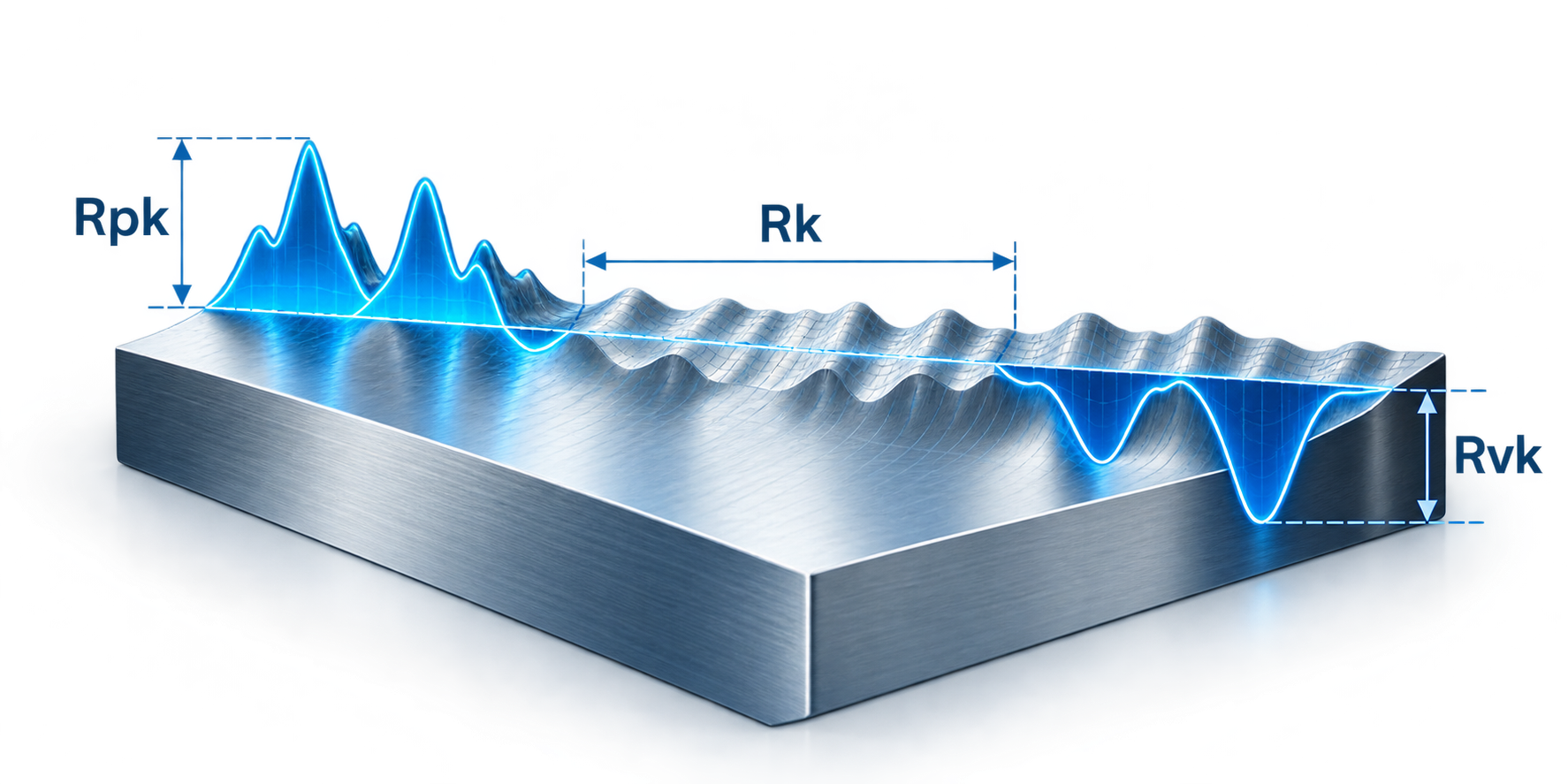
Rpk / Rk / Rvk
Peak control,
core and functional valleys
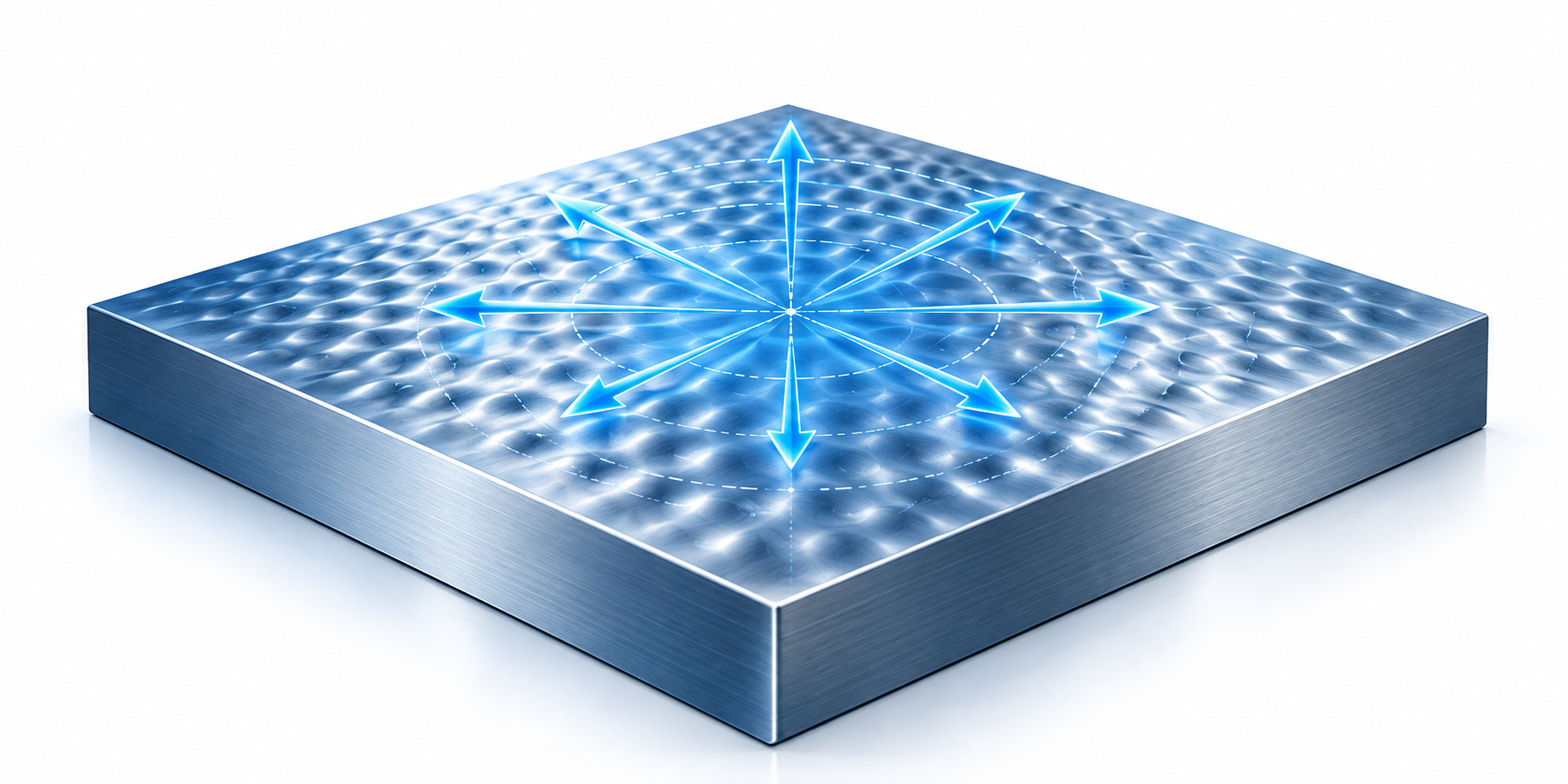
Isotropy
Homogeneous surface
without machining marks
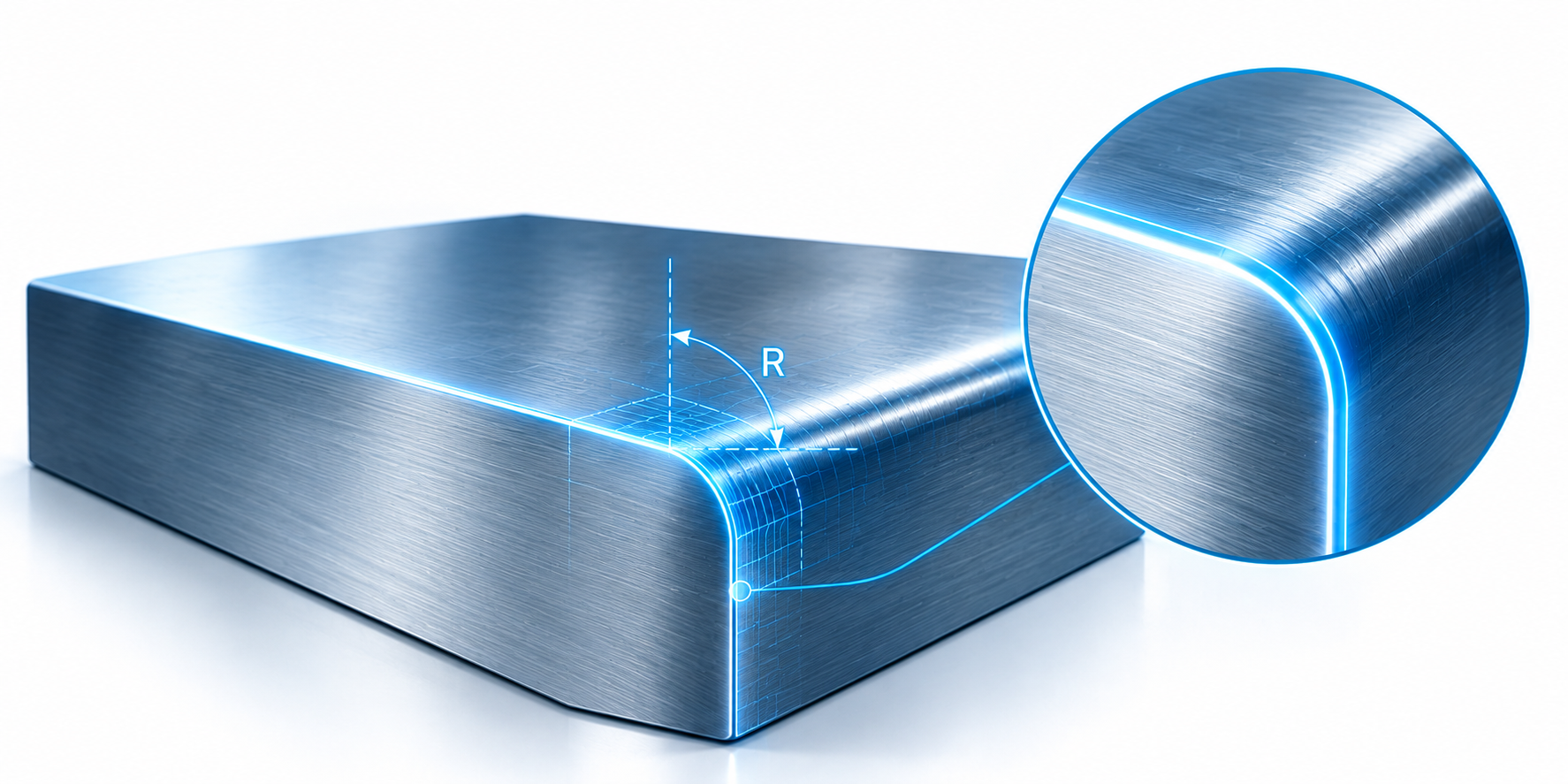
Geometry
Deburring and
edge rounding
Controlled removal
of material
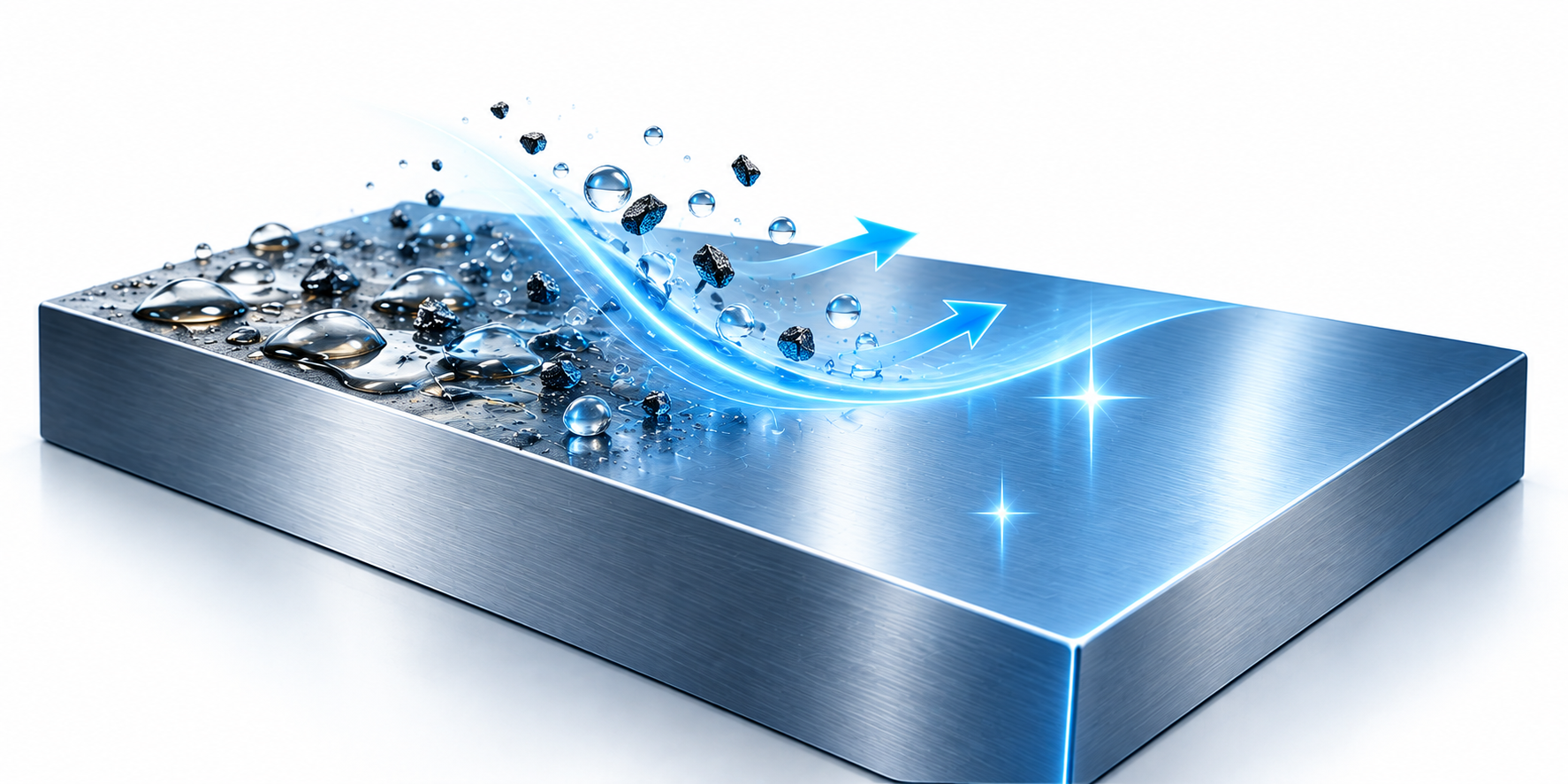
Surface condition
Clean, degreased,
particle-free
and prepared for
subsequent processes
REAL RESULTS IN AUTOMOTIVE APPLICATIONS
Examples of real components. From the initial condition to the final specification, with process, time, and measured results.
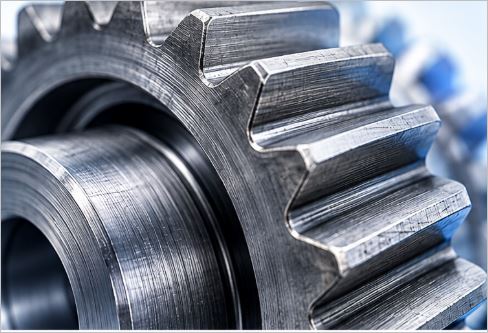
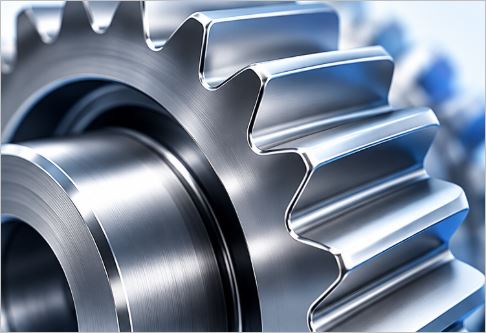
GEARING
Hardened steel (>60 HRC)
| Parameter | Before | After |
|---|---|---|
| Ra (µm) | 0.19 | 0.042 |
| Rz (µm) | 1.358 | 0.551 |
| Rpk (µm) | 0.418 | 0.139 |
Process: Precision surface finishing
Process time: 20–35 minutes
Result: More isotropic surface, removal of grooves and tool marks in machining, uniform rounding of edges and improvement of surface structure.
CAMSHAFT
Mass production
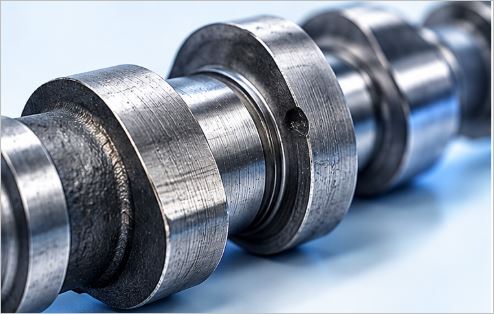
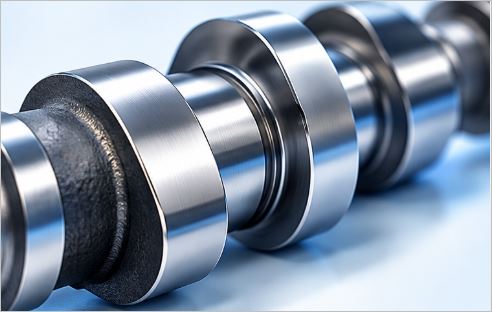
| Parameter | Before | After |
|---|---|---|
| Rz (µm) | 2.5 | <1.0 |
| Rpk (µm) | — | <0.1 |
| - |
Process: Deburring, edge rounding and smoothing
Cycle time: 17 seconds
Production: 8 pieces simultaneously
Result: Optimized functional surface to improve quality and repeatability of the process in mass production.
Published example of industrial application in automotive.
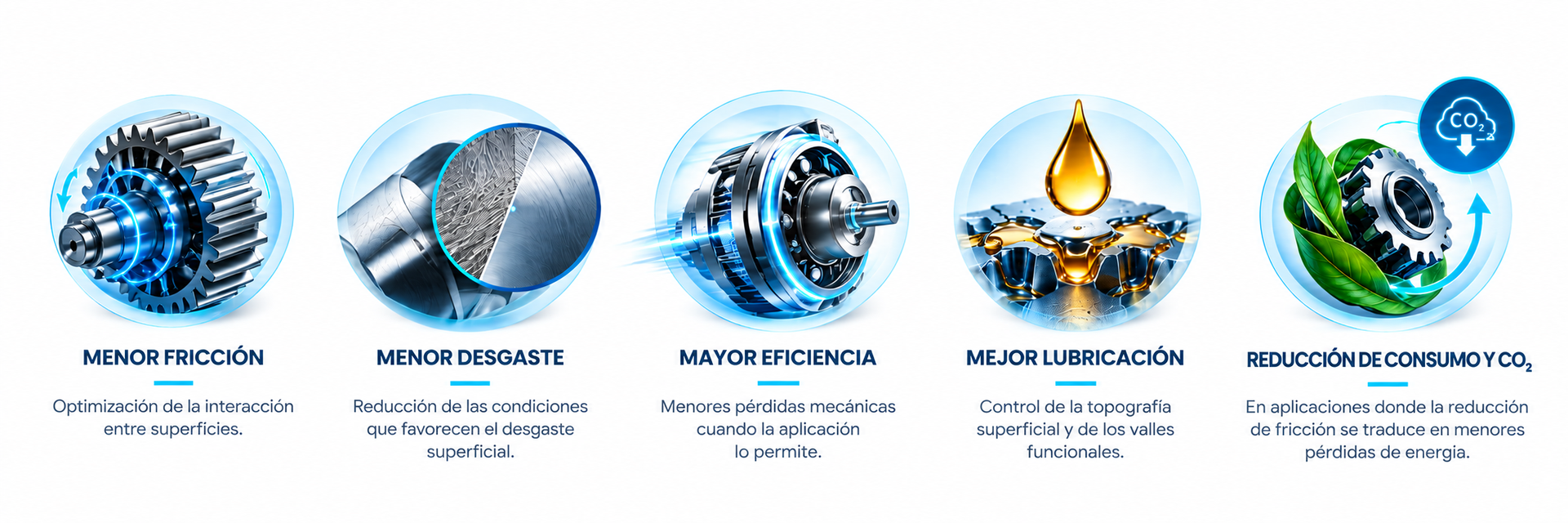
WHY IS THE SURFACE IMPORTANT?
Una superficie correctamente diseñada y controlada puede influir en la fricción, el desgaste, la lubricación y la eficiencia del componente.
In applications where friction has a significant impact on system performance, reducing friction losses can contribute to more efficient energy use. The effect on fuel consumption and CO₂ emissions depends on the application and must be technically validated.
OUR INTEGRATED SOLUTION
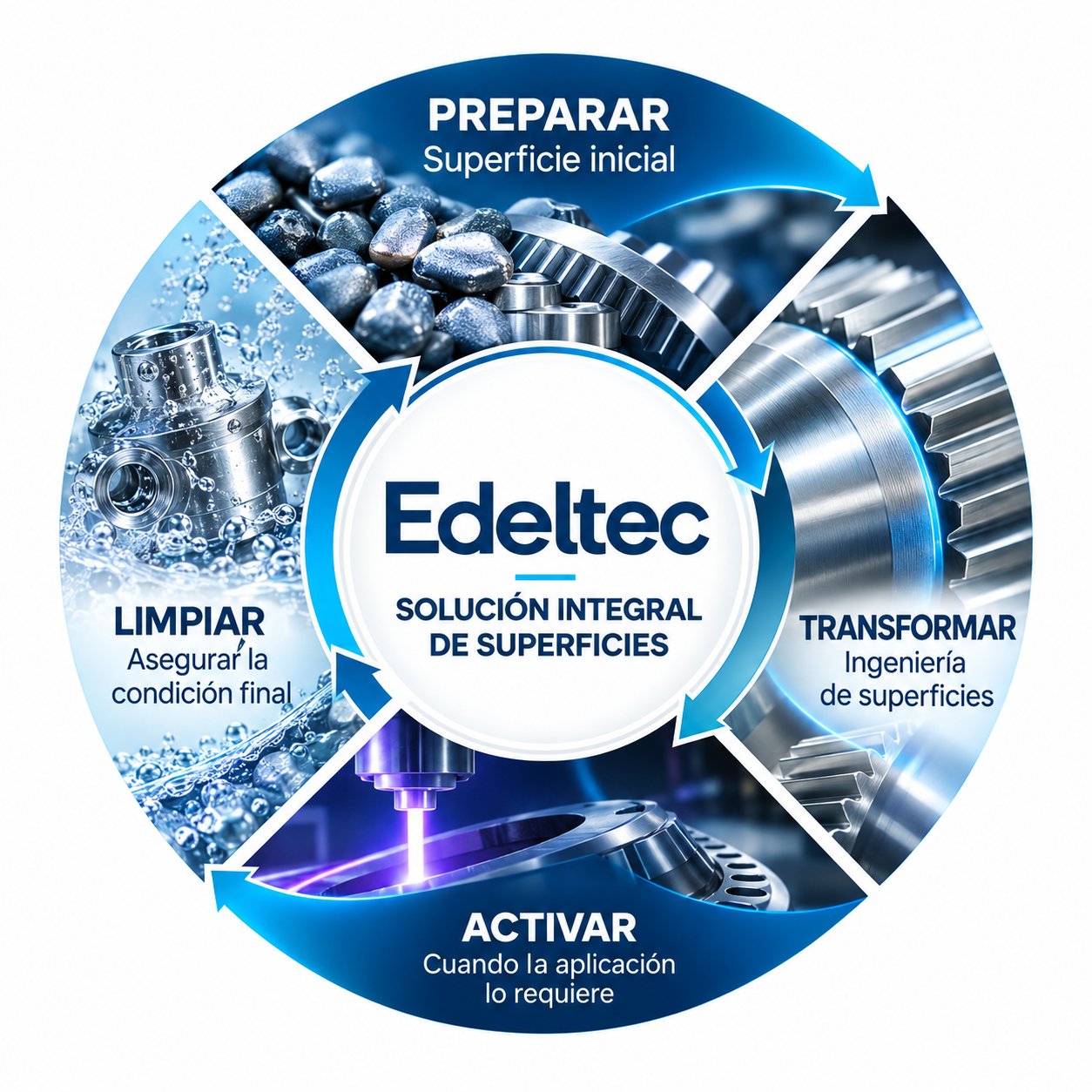
We combine the right technologies:
- 1 Surface preparation
- 2 Surface engineering
- 3 Surface activation
- 4 Technical cleaning
- 5 Validation and quality control
HOW WE WORK
A complete process, from the initial analysis to the implementation of the solution in production.
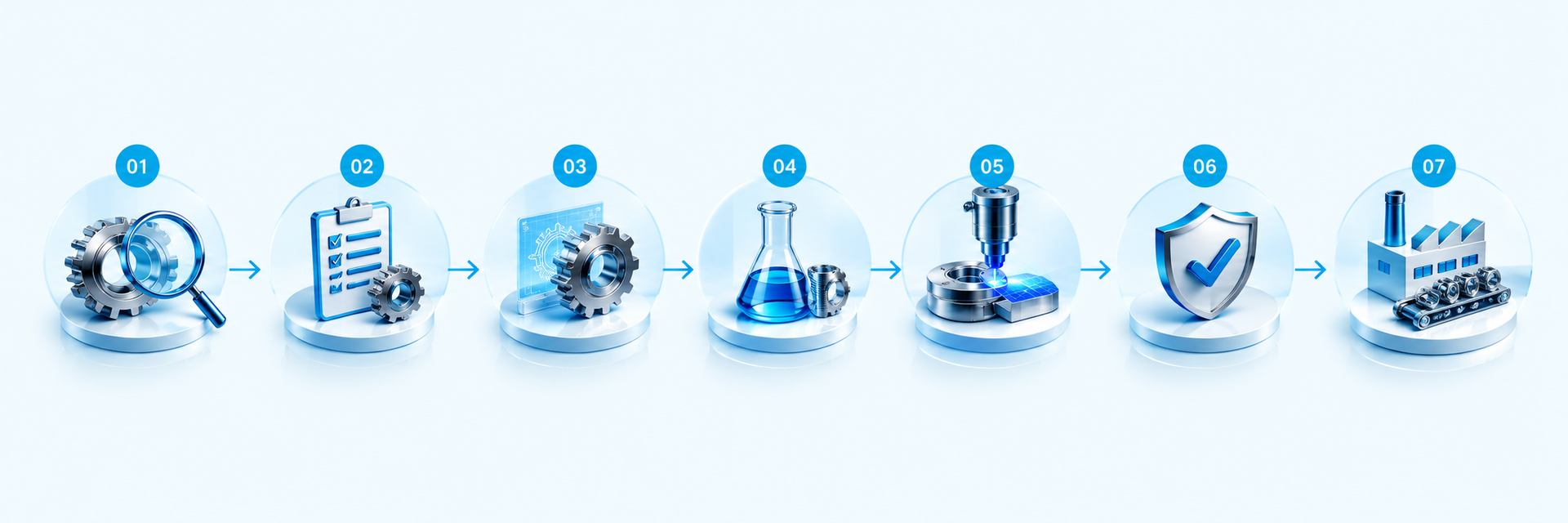
WE ANALYZE
Your component, material, current process, and objective.
WE DEFINE
The required surface specification.
WE DEVELOP
The combination of processes and parameters.
WE TEST
With real samples and parts.
WE MEASURE
The before and after.
WE VALIDATE
The technical and functional result.
WE INDUSTRIALIZE
The solution in its production.
MAIN APPLICATIONS IN AUTOMOTIVE
Surface engineering applied to critical automotive components.
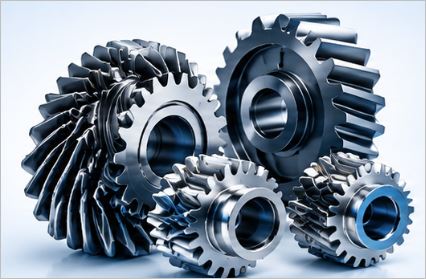
GEARS
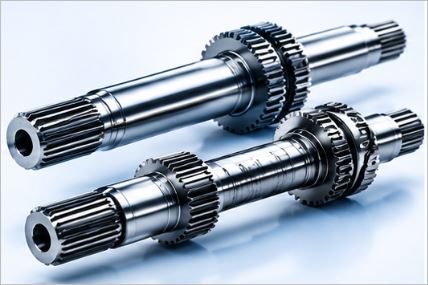
AXLES AND SHAFTS
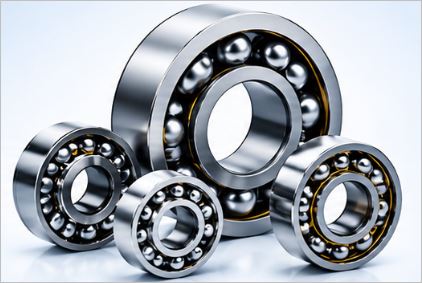
BEARINGS
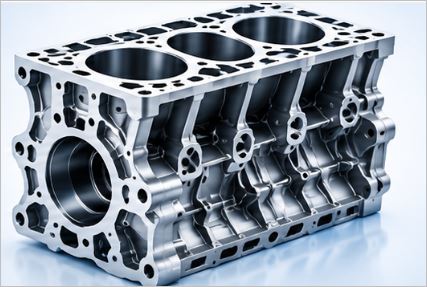
ENGINE COMPONENTS
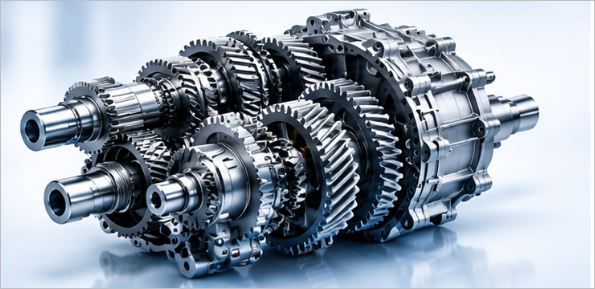
TRANSMISSION COMPONENTS
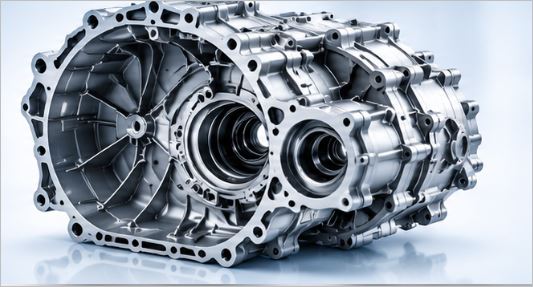
HOUSINGS AND E-DRIVE
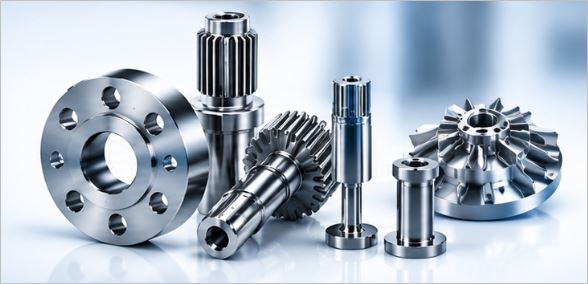
PRECISION
Each component presents a different surface challenge. We define the process based on its material, geometry, function, and required specification.
TECHNICAL CLEANING
The surface does not end at the finish.
It ends when it is clean and ready for the next process.
En automoción, una superficie correctamente acabada debe llegar también en la condición de limpieza requerida por el componente y por el proceso posterior.
Edeltec integrates technical cleaning solutions to remove particles, oils, emulsions, machining residues, and surface contaminants, even in components with complex geometries, holes, channels, cavities, and hard-to-reach areas.
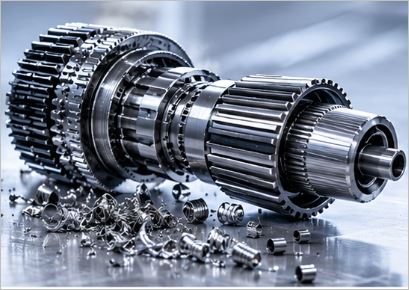
PARTICLE REMOVAL
Removal of chips, metal particles, machining residues, and other solid contaminants.
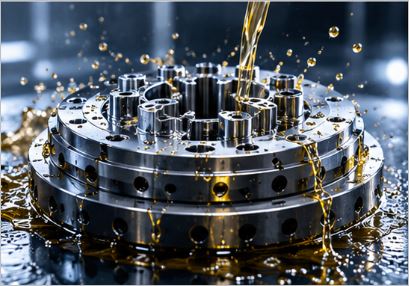
OIL AND CONTAMINANT REMOVAL
Cleaning of oils, greases, machining emulsions, and surface contamination associated with the production process.
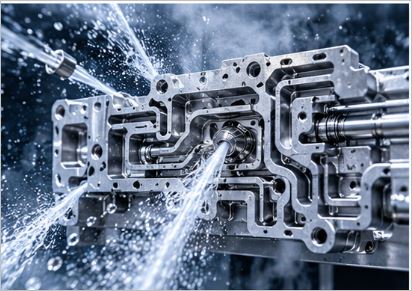
COMPLEX GEOMETRIES
Cleaning of holes, internal channels, cavities, ducts, blind bottoms, and hard-to-reach areas.
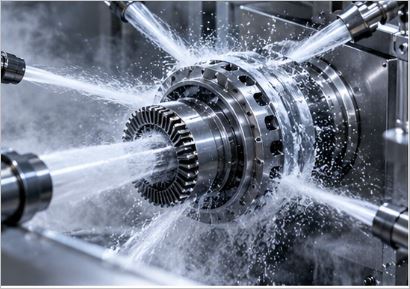
HIGH-PRESSURE DEBURRING
Cleaning and deburring processes using high-pressure water, tailored to the component, material, and required level of contamination.
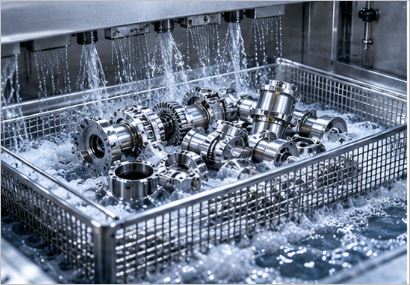
CLEANING + RINSING + DRYING
Integration of different stages to achieve a controlled final condition of the part before the next process.
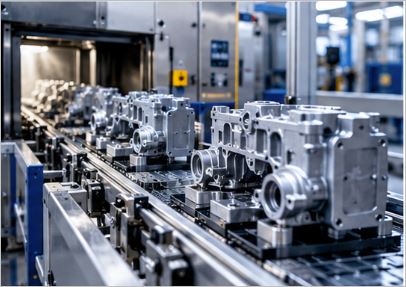
CLEANING FOR MASS PRODUCTION
Solutions designed according to geometry, volume, cycle time, and integration requirements in the production line.
INTEGRAL PROCESS
WHAT DOES "CLEAN" MEAN?
Technical cleaning does not simply mean that a part looks clean.
It means achieving a defined condition of the part in which residual contamination does not compromise its function, reliability, or the next process.
VDA 19 / ISO 16232
Reference framework for the evaluation and documentation of technical cleaning of automotive components.
WE DO NOT JUST SELL THE PROCESS.
WE DEFINE THE CONDITION THE COMPONENT NEEDS.
Cleaning is a fundamental part of our integral surface engineering.
DO YOU WANT TO OPTIMIZE THE SURFACE OF YOUR COMPONENTS?
Request a no-obligation technical evaluation.
We analyze your part, define the optimal process, and validate the results in our application laboratory. Get the exact surface specification your project requires.